
44% off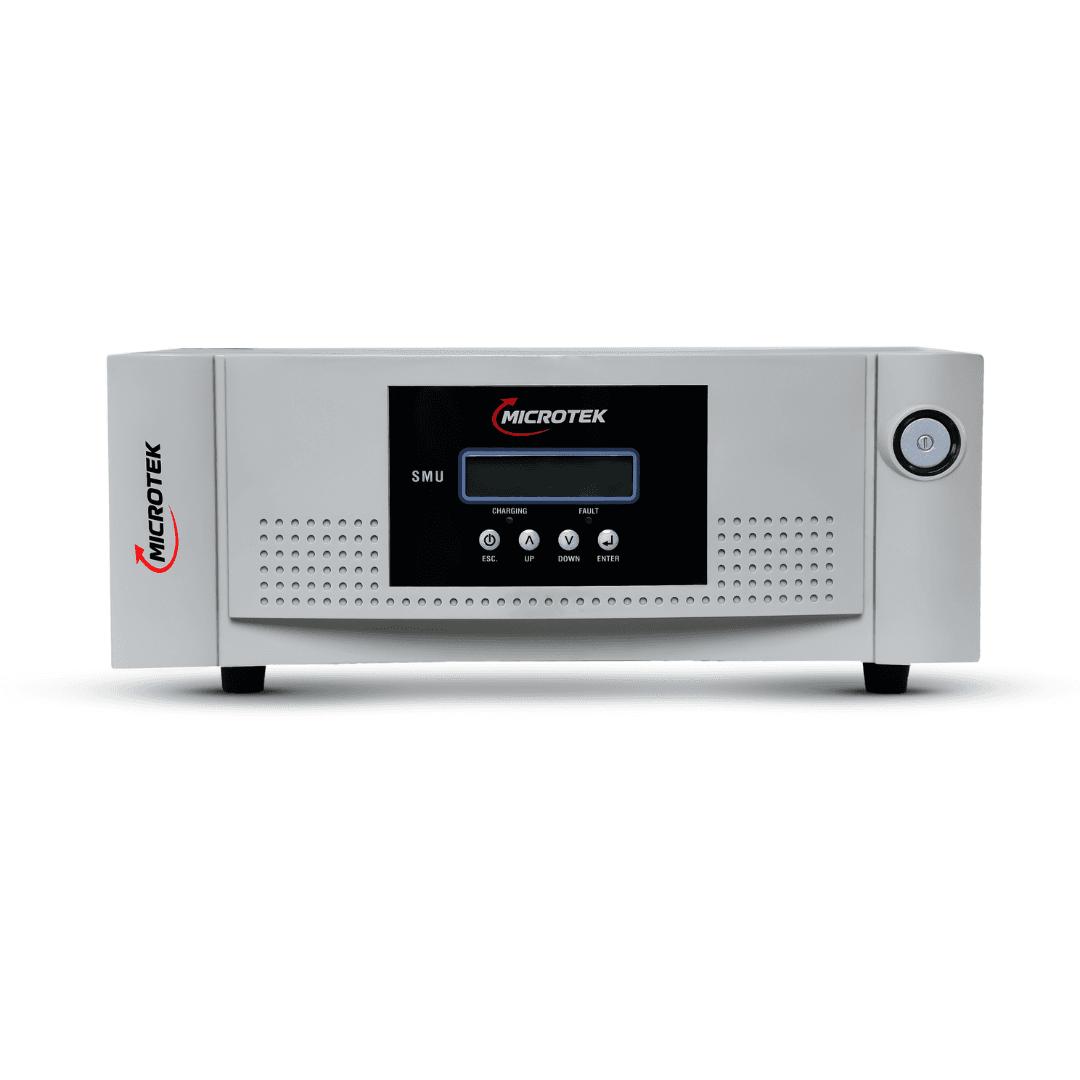
HI-END SMU 9650 with LCD Display
Solar management unit that adds solar charging to an inverter you already own. Available at Nice Power System, Delhi NCR.
₹9,499₹17,100
Save ₹7,601
Solar Management Units (SMUs) that add a solar charge controller to an inverter you already own — Microtek's HI-END SMU and LCD SMU range. Your existing battery bank charges from panels and runs daytime loads, cutting grid use without replacing your current inverter. A cost-effective first step into solar, installed across Delhi NCR.
Home installation · On-site service & AMC across Delhi NCR
Solar management unit that adds solar charging to an inverter you already own. Available at Nice Power System, Delhi NCR.
Save ₹7,601
Buy the HI-END SMU 12050 with LCD Display — a solar management unit that adds solar charging to an inverter you already own. Home installation & service across Delhi NCR.
Save ₹13,151
Buy the Hi-End SMU 18050 with LCD Display — a solar management unit that adds solar charging to an inverter you already own. Home installation & service across Delhi NCR.
Save ₹21,151
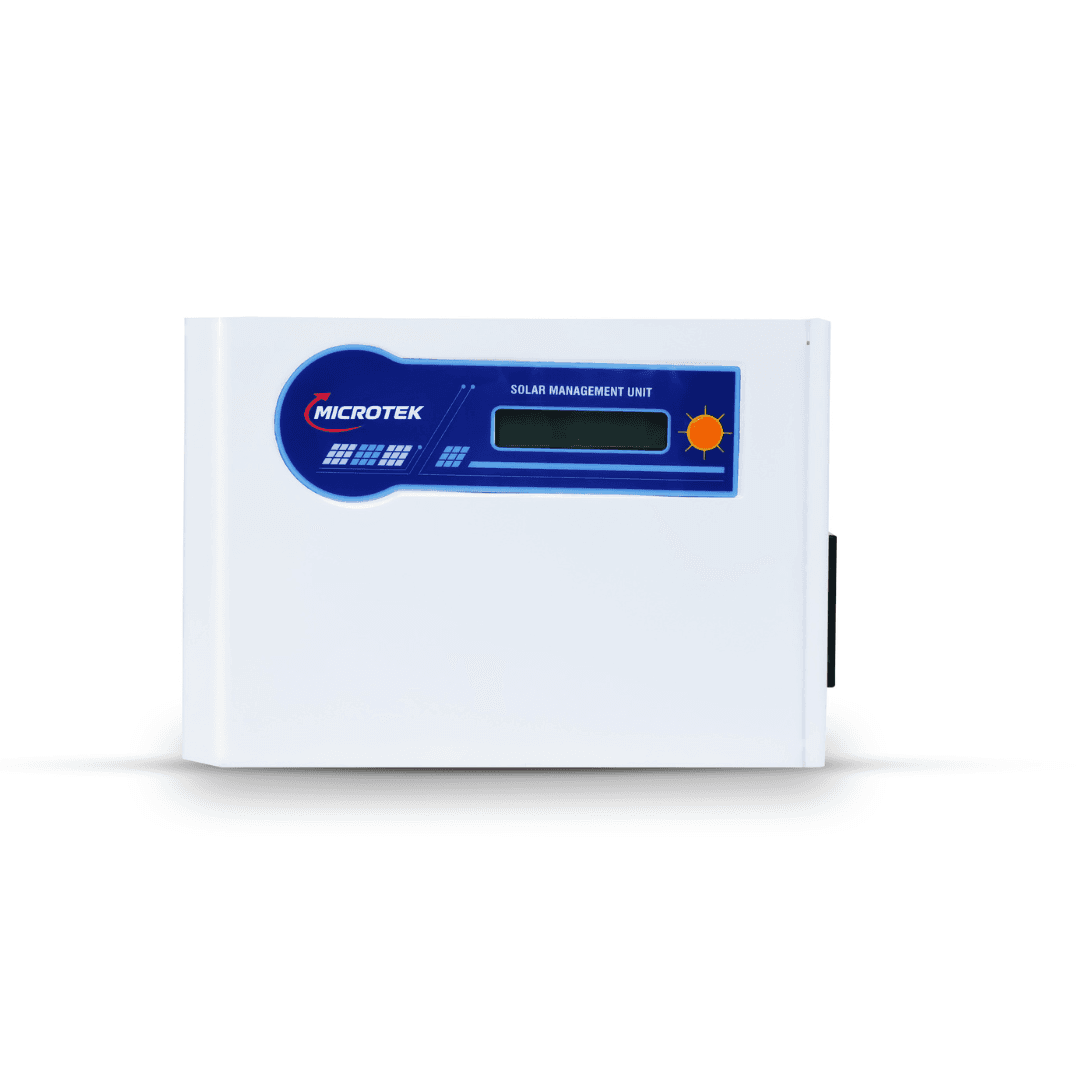
Buy the LCD SMU 1230 — a solar management unit that adds solar charging to an inverter you already own. Home installation & service across Delhi NCR.
Save ₹2,651
A 12V solar management unit that adds up to 900W of solar charging (6 x 150W panels, 50A) to a single-battery inverter you already own. Genuine stock, fitted and serviced by Nice Power System across Delhi NCR.
Save ₹4,501
Buy the LCD SMU 2430 — a solar management unit that adds solar charging to an inverter you already own. Home installation & service across Delhi NCR.
Save ₹2,701
Solar management unit that adds solar charging to an inverter you already own. Genuine stock from Nice Power System, Delhi NCR.
Save ₹4,551
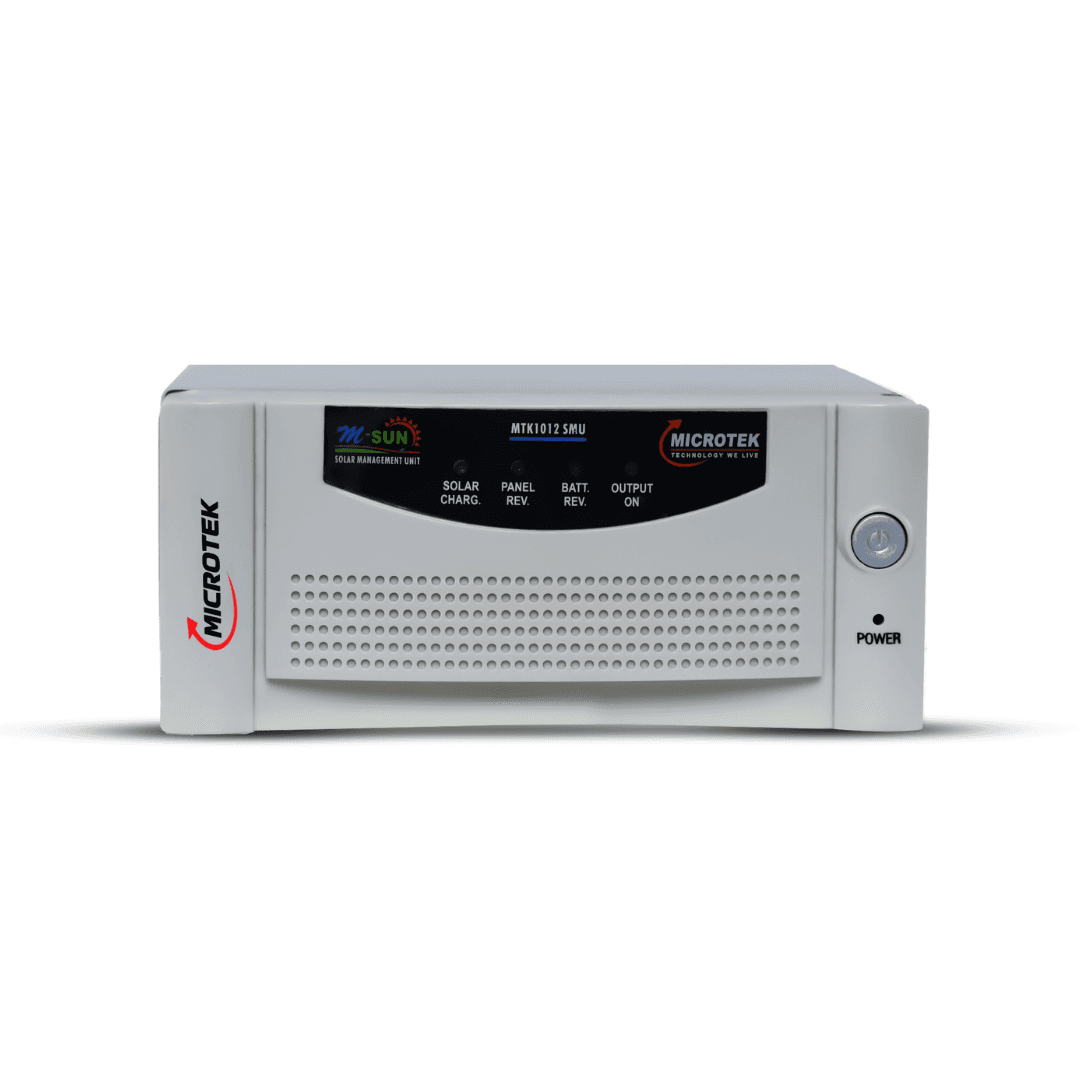
Solar management unit that adds solar charging to an inverter you already own. Genuine stock from Nice Power System, Delhi NCR.
Save ₹1,051
Solar management unit that adds solar charging to an inverter you already own. Available at Nice Power System, Delhi NCR.
Save ₹2,401
Solar management unit that adds solar charging to an inverter you already own. Available at Nice Power System, Delhi NCR.
Save ₹2,451
Solar management unit that adds solar charging to an inverter you already own. Available at Nice Power System, Delhi NCR.
Save ₹4,301
Solar management unit that adds solar charging to an inverter you already own. Available at Nice Power System, Delhi NCR.
Save ₹4,251
A Solar Management Unit sits between your panels, your existing inverter and your battery. It takes the solar input, charges the battery from it, and lets the grid top up whatever the sun did not cover. Your existing inverter and battery keep doing their job unchanged.
That makes an SMU the cheapest honest way into solar for a household that already has a working inverter and battery. You are buying one box and some panels, not replacing a functioning system. If your inverter is at end of life anyway, a PCU is the better spend, because you would be replacing it regardless.
Ask what condition your existing inverter and battery are in. Healthy and correctly sized for your load? An SMU adds solar without discarding them. Already old, undersized, or due for replacement? Buy a PCU and get the inverter, the solar charge controller and the grid changeover as one integrated unit.
The failure mode worth avoiding is bolting an SMU onto an inverter that was already struggling. Solar does not fix an undersized inverter or a tired battery; it just means you have now spent money on panels feeding a system that was the constraint all along.
Every SMU has a limit on how much panel wattage it can accept and the battery-bank voltage it is built for. Exceeding the panel rating does not give you more power — it caps at the unit's limit, so the extra panels are money spent for nothing. Falling well short means you paid for headroom you never use.
The bank voltage must match your existing inverter's, which is fixed. So the sizing conversation is: what voltage is your current system, what does your roof realistically fit, and which unit in the range spans both. That is a short conversation with the model numbers in hand.
An SMU reduces the grid energy used to charge your battery, and it powers your backed-up load from the sun while the sun is out. That is a genuine saving and it is the honest claim. What an SMU does not do is export to the grid or run your whole house off solar — it is not a grid-tied system and there is no net metering involved.
So the payback comes from your own consumption, which means it scales with how much you actually run during daylight. A home that is empty from nine to six saves less than a shop that runs all day. We look at your usage pattern before quoting, because that pattern, not the panel wattage, decides whether the numbers work.
Free, no-jargon advice from our Ashok Vihar shop to help you choose.
An SMU bolts solar charging onto a home inverter you already have, so your existing batteries charge from panels and you draw less from the grid.
Usually no — that's the point. The SMU works alongside a compatible existing inverter and battery; we'll confirm compatibility with your model before you buy.
It uses free daytime solar to charge batteries and run loads; savings depend on panel size and usage. It's the lowest-cost way to start using solar with equipment you already own.