How to read an Ah rating honestly
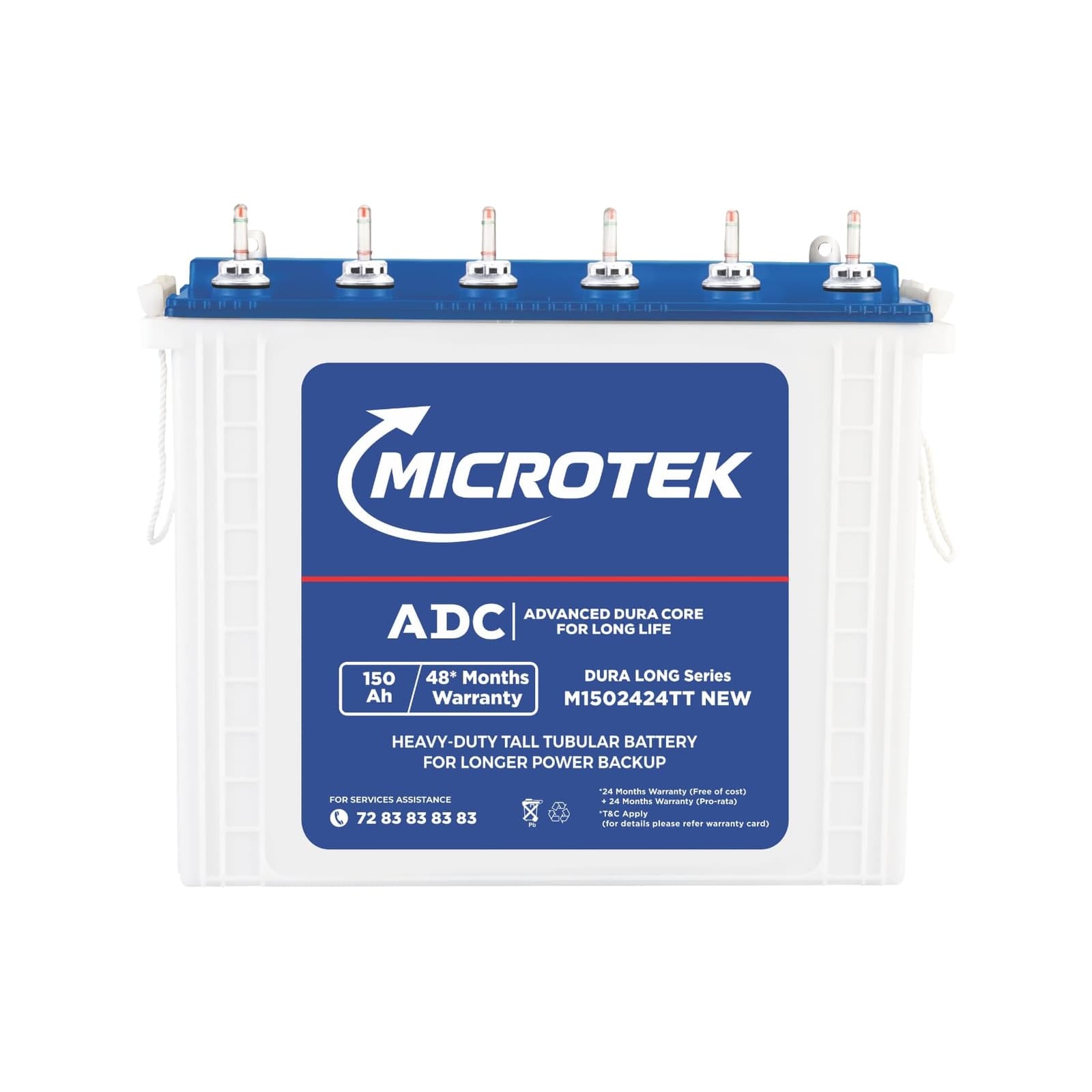
A battery's amp-hour rating is only meaningful alongside the discharge rate it was measured at. The C20 figure that appears on most inverter batteries assumes a slow 20-hour discharge; the C10 figure assumes 10 hours and comes out lower for the same battery. A 150Ah C20 and a 150Ah C10 are not the same product, and comparing one brand's C20 against another's C10 is how buyers end up disappointed.
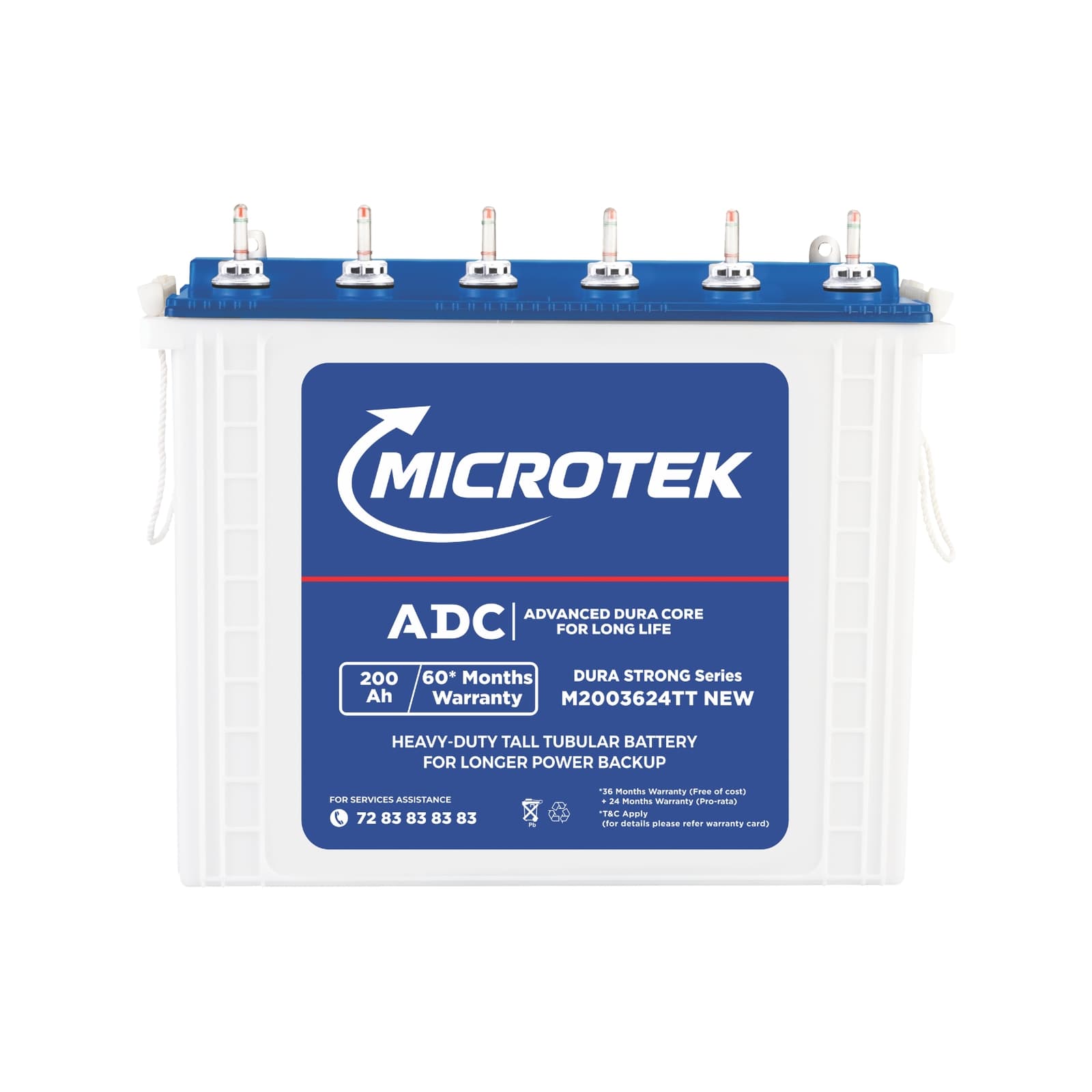
Usable energy is lower still. Draining a lead-acid battery flat destroys it, so you plan around roughly 80% depth of discharge, and the inverter loses some more converting DC to AC. That is why a 200Ah 12V battery — 2,400Wh on paper — realistically delivers around 1,500Wh to your appliances.
Tubular vs flat plate, and why tall vs jumbo matters
Flat-plate batteries are cheaper and suit light, infrequent use. Tubular batteries use thicker spines and are built for the deep, repeated cycling that daily power cuts impose — which is the normal Delhi pattern, and why almost everything worth buying here is tubular.
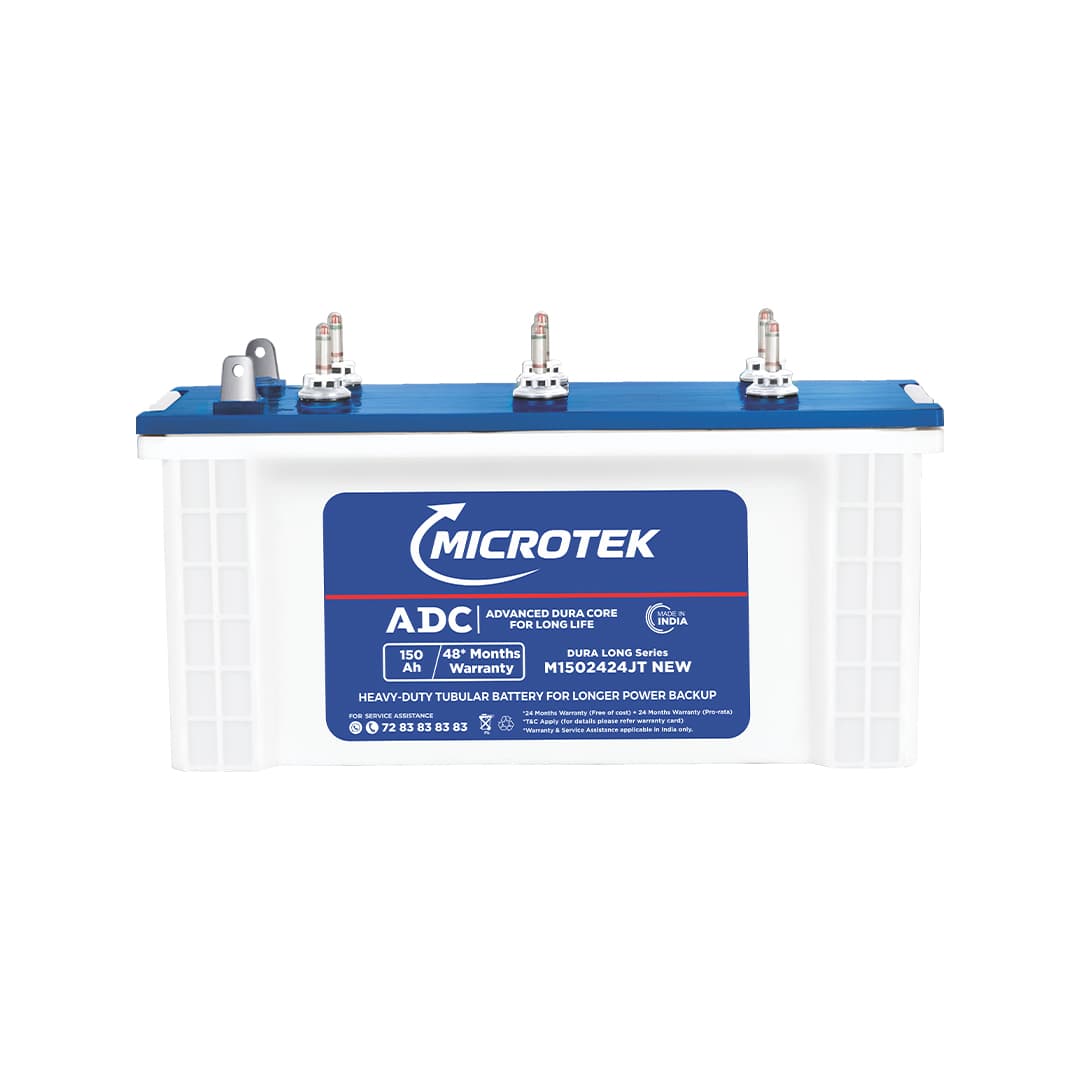
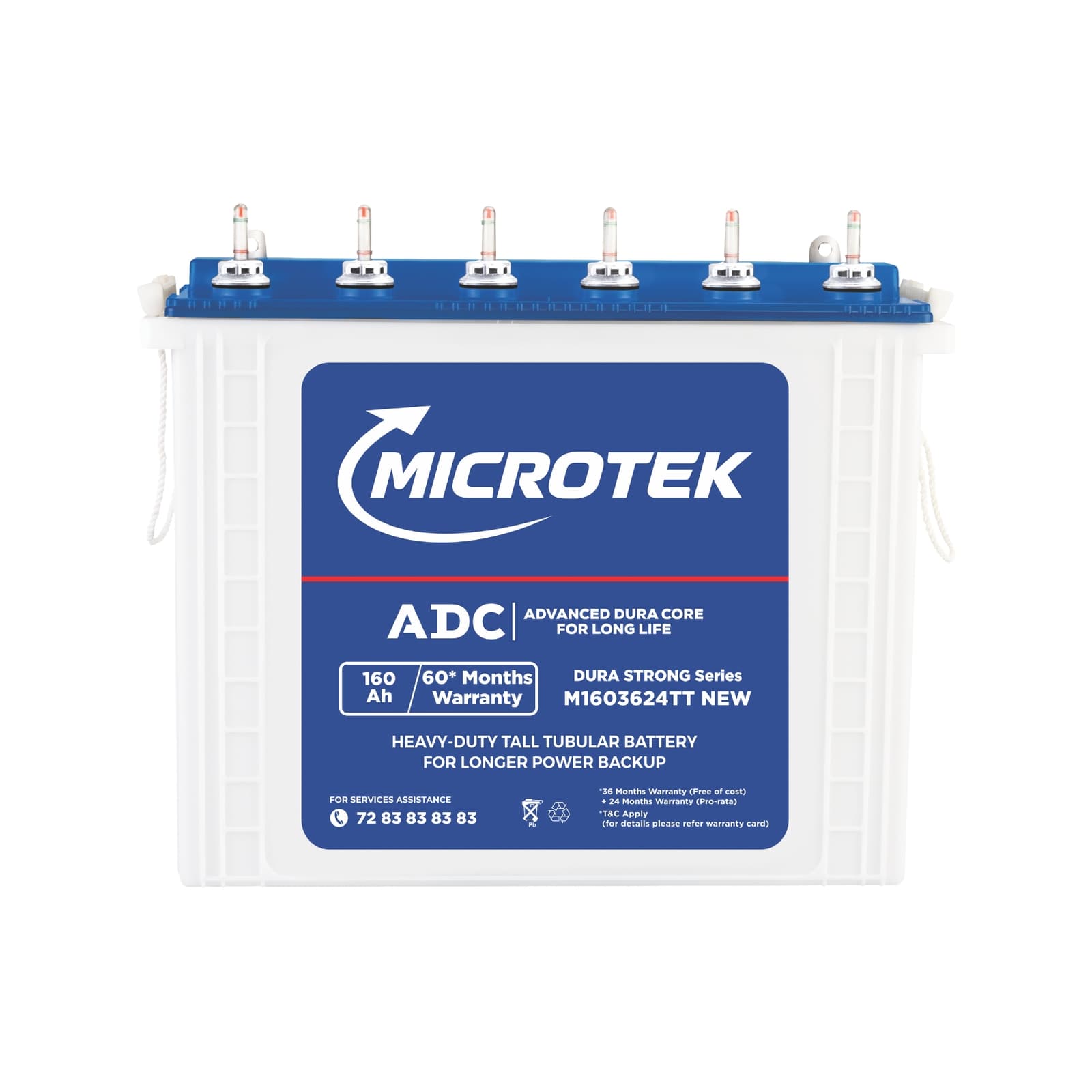
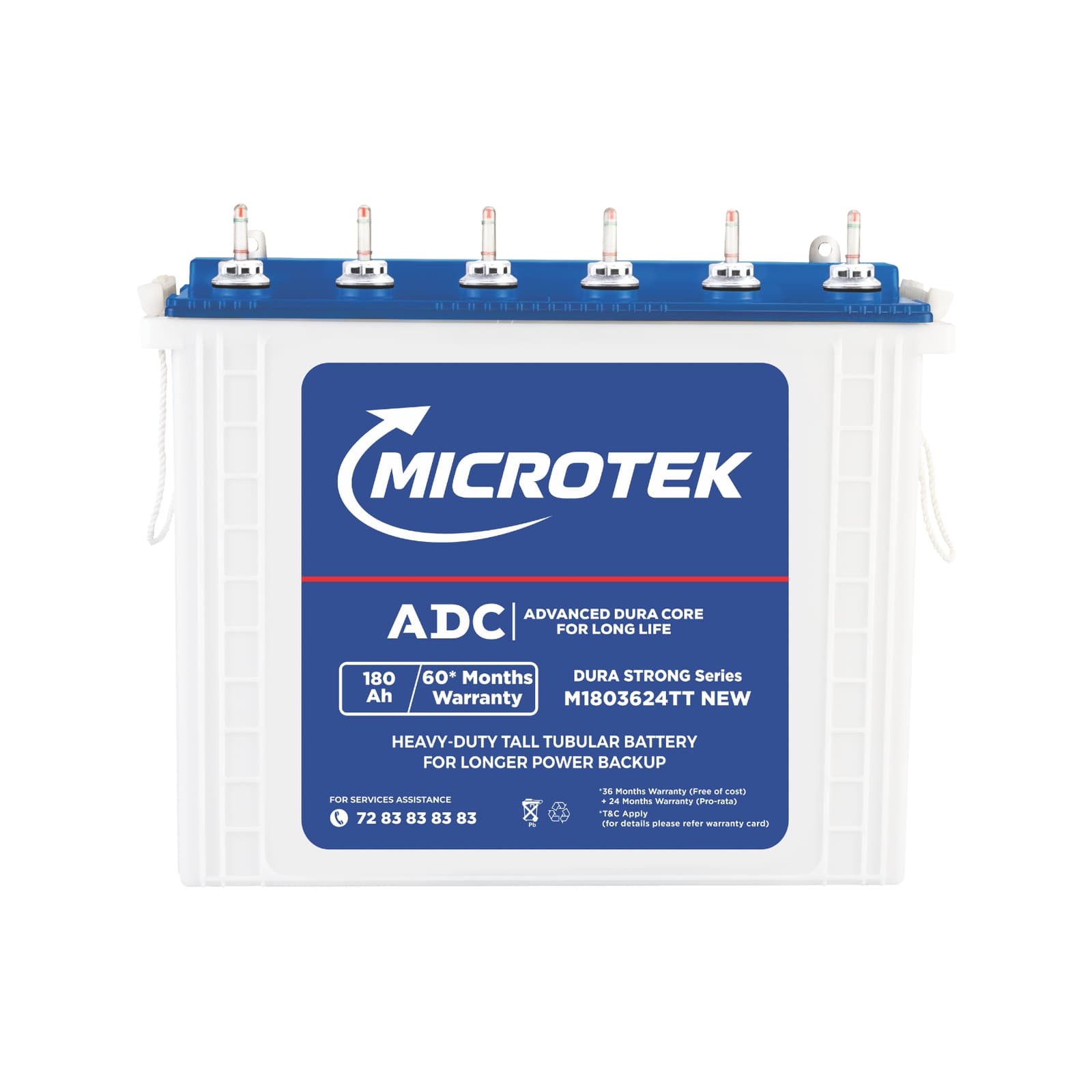
Within tubular, tall and jumbo differ in physical dimensions rather than quality: tall models are narrower and higher, jumbo models are shorter and wider. Pick on the trolley or space you have. It changes the price, so make sure a quote you are comparing is for the same construction.
Warranty: read the split, not the headline
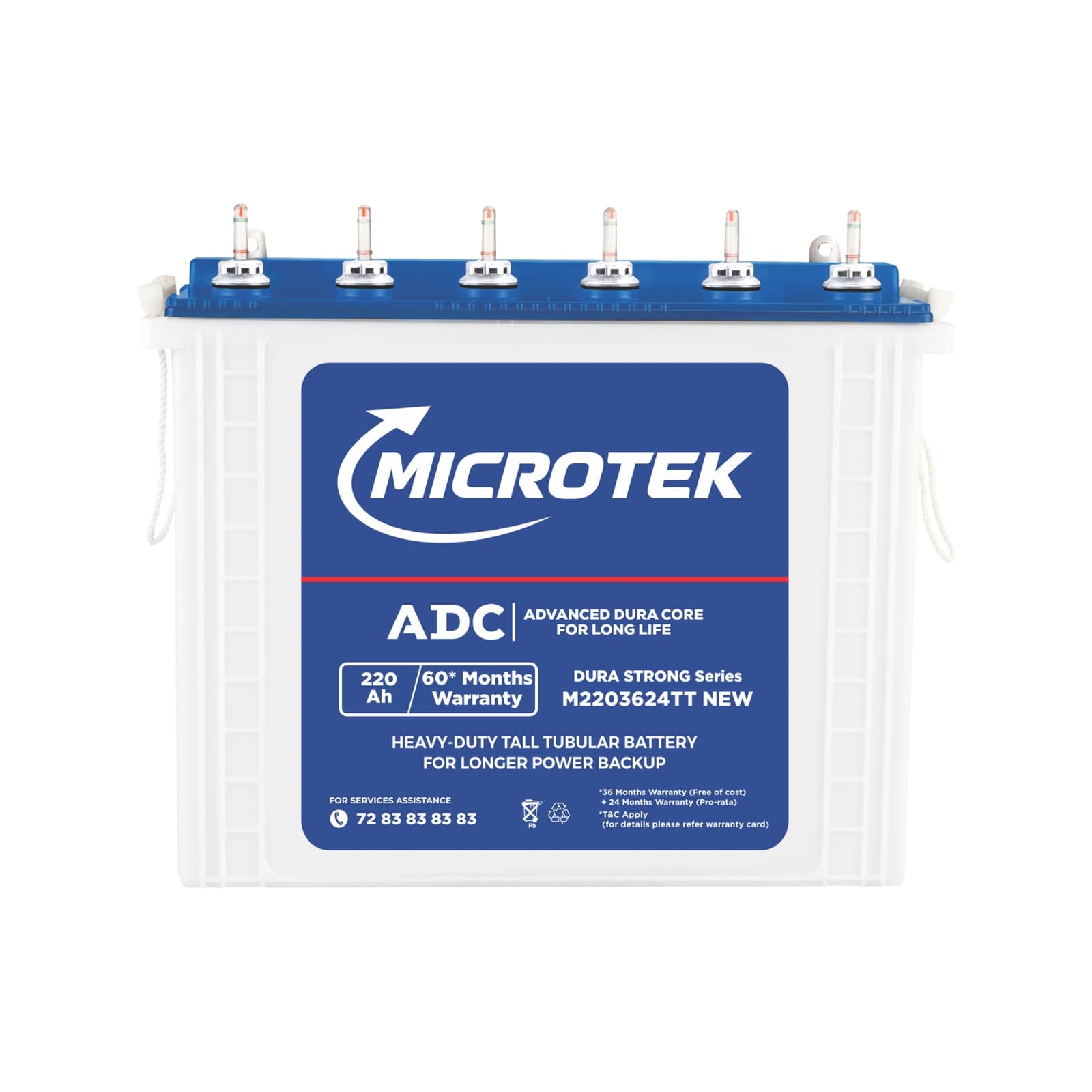
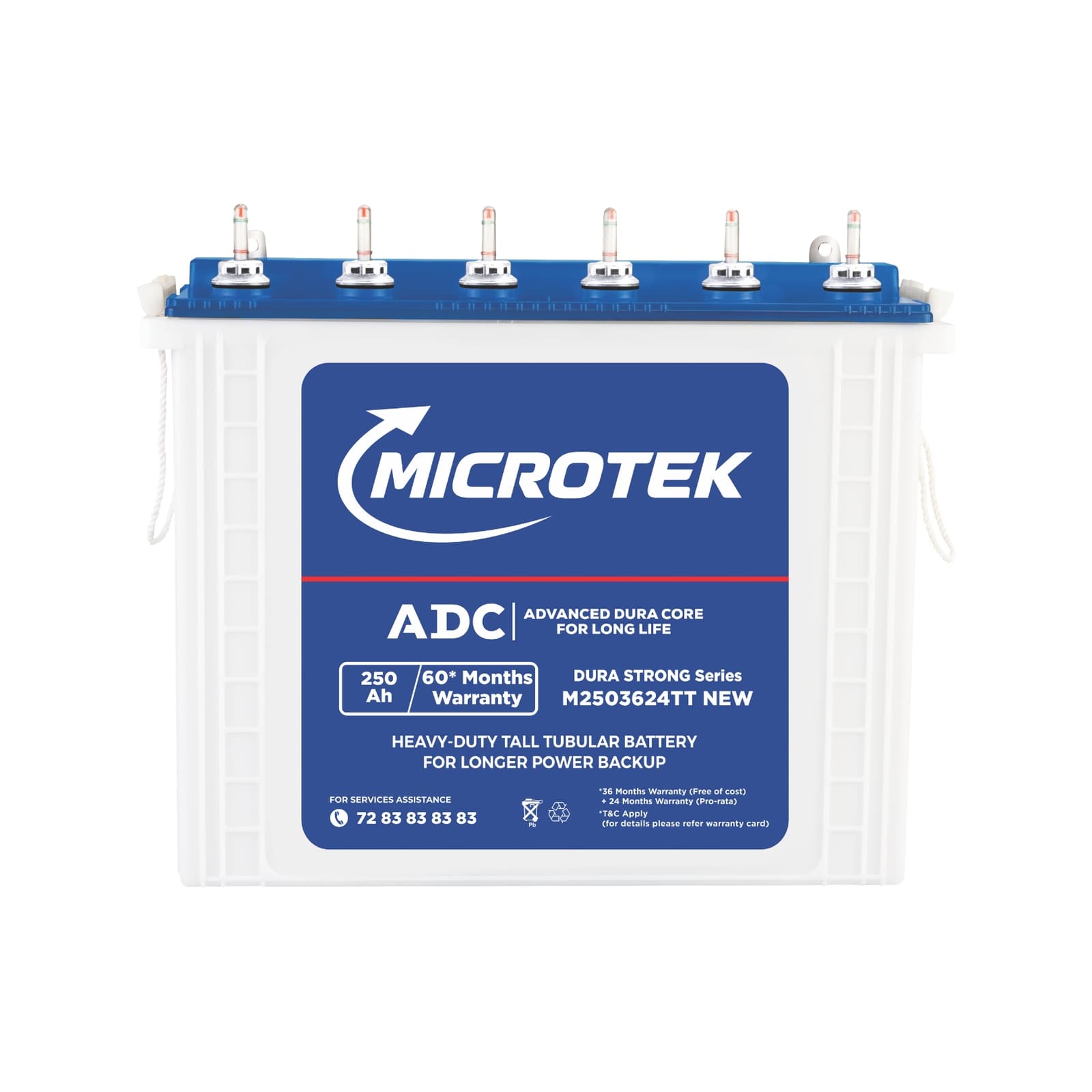
A "60 month" warranty is rarely 60 months of free replacement. The usual structure is a flat period during which a failed battery is replaced outright, followed by a pro-rata period where you pay a proportion based on how much life was used. A 60-month warranty quoted as 36 flat plus 24 pro-rata is a genuinely better deal than 48 flat plus 12 pro-rata only if you read both.
Warranty claims also need the invoice and, usually, registration at purchase. We register the warranty in your name at installation and handle claims locally, which matters more than the headline number when something actually fails.
Sizing to the backup you actually want
Work backwards from the load. Add the wattage of everything you want running during a cut, then divide the battery's usable watt-hours by that figure to get hours. Two fans and three lights is roughly 200W; add a TV and a few more lights and you are near 400W; add a fridge and you are at 650W or more.
The battery sets runtime, the inverter sets how much you can run at once, and the two have to match — an oversized battery on an undersized inverter still trips the moment you switch the fridge on.